
I get the jettison of the Green New Deal, but taxing alternate energy sources more??? And no one knows where it came from?
Solar/Wind Tax Shows Up in Bill???
4,962 Views |
57 Replies |
Last: 8 days ago by boognish_bear
Most components for solar come from China and are heavily tariffed. It appears the excise taxes in Trump's bill were stripped out.FLBear5630 said:
I get the jettison of the Green New Deal, but taxing alternate energy sources more??? And no one knows where it came from?
https://finance.yahoo.com/news/solar-firms-surge-senate-drops-165808818.html
I tried to have an open mind and got a couple of solar panel quotes a couple of years back for my home. Both quotes put my break even point when I reach about 83 years of age. It made no sense then and even makes even less sense now.
Call it a tax, the people are outraged! Call it a tariff, the people get out their checkbooks and wave their American flags!!!
solarbeagle.
- el KKM
{ sipping covfefe }
{ eating nothing }
D!
Go Bears!!
Suelten los perros, amigos!!!
- el KKM
{ sipping covfefe }
{ eating nothing }
D!
Go Bears!!
Suelten los perros, amigos!!!
Go Bears!
Having worked with solar quite a bit, I will disagree with the premise that it is a failed technology. The thing is, you have to view it correctly as a *decentralized* form of energy generation, not a *green* one. Building giant multi acre solar farms so utilities can hit some arbitrary carbon target is stupid. Putting solar panels on yoir house, rv, boat, etc is smart.
RD2WINAGNBEAR86 said:Most components for solar come from China and are heavily tariffed. It appears the excise taxes in Trump's bill were stripped out.FLBear5630 said:
I get the jettison of the Green New Deal, but taxing alternate energy sources more??? And no one knows where it came from?
https://finance.yahoo.com/news/solar-firms-surge-senate-drops-165808818.html
I tried to have an open mind and got a couple of solar panel quotes a couple of years back for my home. Both quotes put my break even point when I reach about 83 years of age. It made no sense then and even makes even less sense now.
Same
I wouldn't mind having solar on my house, but that is way down the list of needs on the house right now. We have a good roof for sunlight, but the slow payback would still be a problem.
If we did get solar, it might be when we have to replace the roof. Hopefully by then, the "solar roofs" will be less costly and get better ROI.

If we did get solar, it might be when we have to replace the roof. Hopefully by then, the "solar roofs" will be less costly and get better ROI.
I'd like to see some prevention for hail storm damage
That's always how my environmental philosophy has been. I think solutions should be local vs. these national and international exploitation like banning gas stoves, etc. I recycle fanatically even though I know most of it probably never gets recycled and just goes in the landfill.Realitybites said:
Having worked with solar quite a bit, I will disagree with the premise that it is a failed technology. The thing is, you have to view it correctly as a *decentralized* form of energy generation, not a *green* one. Building giant multi acre solar farms so utilities can hit some arbitrary carbon target is stupid. Putting solar panels on yoir house, rv, boat, etc is smart.
LIB,MR BEARS said:
I'd like to see some prevention for hail storm damage
"The solar tiles are rated to withstand hail up to 1.75 inches in diameter, according to the ANSI FM 4473 Class 3 rating. Some sources also mention a Class 4 rating, which is even higher, according to Aspen Contracting. "
Harrison Bergeron said:That's always how my environmental philosophy has been. I think solutions should be local vs. these national and international exploitation like banning gas stoves, etc. I recycle fanatically even though I know most of it probably never gets recycled and just goes in the landfill.Realitybites said:
Having worked with solar quite a bit, I will disagree with the premise that it is a failed technology. The thing is, you have to view it correctly as a *decentralized* form of energy generation, not a *green* one. Building giant multi acre solar farms so utilities can hit some arbitrary carbon target is stupid. Putting solar panels on yoir house, rv, boat, etc is smart.
What do you think about retailers providing covered parking by parking under solar panels.
I've read that some are considering it but haven't heard of any completed
Interesting idea. A lot of boat owners are replacing canvas biminis with solar panels, this would sort of be a land based equivalent…but again falling into the decentralized power generation mode. Decentralized power is great. It results in redundancy and makes the whole grid more robust as an end result.
I am much less supportive of wind power as a widespread form of energy generation as the ROI on it both fiscally and in terms of power produced is pretty poor. Windmills are still a good way to generate mechanical energy to drive pumps in decentralized applications though, and may be useful for decentralized electrical generation in higher latitudes where wind and cloud cover are more prevalent.
Same thing goes for EVs. They are great not because you are going to save the planet but they perform well, Teslas are capable self drivers and you get rid of a whole host of belts, hoses, and fluids that need regular replacement in an ICE vehicle. Brakes last longer. There is no transmission to go out. In a world where a synthetic oil change runs $100 plus every 5k miles, such things matter.
I am much less supportive of wind power as a widespread form of energy generation as the ROI on it both fiscally and in terms of power produced is pretty poor. Windmills are still a good way to generate mechanical energy to drive pumps in decentralized applications though, and may be useful for decentralized electrical generation in higher latitudes where wind and cloud cover are more prevalent.
Same thing goes for EVs. They are great not because you are going to save the planet but they perform well, Teslas are capable self drivers and you get rid of a whole host of belts, hoses, and fluids that need regular replacement in an ICE vehicle. Brakes last longer. There is no transmission to go out. In a world where a synthetic oil change runs $100 plus every 5k miles, such things matter.
LIB,MR BEARS said:Harrison Bergeron said:That's always how my environmental philosophy has been. I think solutions should be local vs. these national and international exploitation like banning gas stoves, etc. I recycle fanatically even though I know most of it probably never gets recycled and just goes in the landfill.Realitybites said:
Having worked with solar quite a bit, I will disagree with the premise that it is a failed technology. The thing is, you have to view it correctly as a *decentralized* form of energy generation, not a *green* one. Building giant multi acre solar farms so utilities can hit some arbitrary carbon target is stupid. Putting solar panels on yoir house, rv, boat, etc is smart.
What do you think about retailers providing covered parking by parking under solar panels.
I've read that some are considering it but haven't heard of any completed
Genius. Those small things are what we should focus on vs. banning gas stoves and subsidizing Teslas and charging stations.
Wind and solar likely will never be real solutions but some little here and there is the best approach IMHO.
Yeah, the EV rebate is pretty anti American.
Someone making 149k a year gets a 4k break, someone making 151k does not on a used one.
Someone making 299k a year gets a 7.5k break, someone making 301k a year does not on a new one.
Someone making 149k a year gets a 4k break, someone making 151k does not on a used one.
Someone making 299k a year gets a 7.5k break, someone making 301k a year does not on a new one.
Realitybites said:
Yeah, the EV rebate is pretty anti American.
Someone making 149k a year gets a 4k break, someone making 151k does not on a used one.
Someone making 299k a year gets a 7.5k break, someone making 301k a year does not on a new one.

Switzerland is using its railway infrastructure to generate power by installing solar panels between train tracks. This clever reuse of space shows how transport and energy can work together without clearing more land

Searching for Lone Star: A Tale of Two Brothers
https://tcupress.tcu.edu/9780875659862/
https://tcupress.tcu.edu/9780875659862/
Problem is always the ROI. The cost of laying these for the energy it produces, the break even points become longer than the life of the hardware. It becomes a money loser. I view these activities like masturbation, feels good but really doesn't accomplish anything... Makes them feel like they are doing something, but in reality it is just making themselves feel good.Assassin said:
Switzerland is using its railway infrastructure to generate power by installing solar panels between train tracks. This clever reuse of space shows how transport and energy can work together without clearing more land
I guess it could work for rural areas to power crossings and signals. It would be more of a location issue, as the cost of the power would be very high.
Interesting article. Would take 350 return trips a day to make viable, based on Australia information. Not to mention the maintenance of the solar panels.
Photovoltaic and rail transportation: Is it the future, or a failure waiting to happen? RatedPower
You would think Switzerland has looked at ROI, including maintenance and replacement. It would be worth a phone call to find out more.FLBear5630 said:Problem is always the ROI. The cost of laying these for the energy it produces, the break even points become longer than the life of the hardware. It becomes a money loser. I view these activities like masturbation, feels good but really doesn't accomplish anything... Makes them feel like they are doing something, but in reality it is just making themselves feel good.Assassin said:
Switzerland is using its railway infrastructure to generate power by installing solar panels between train tracks. This clever reuse of space shows how transport and energy can work together without clearing more land
I guess it could work for rural areas to power crossings and signals. It would be more of a location issue, as the cost of the power would be very high.
Interesting article. Would take 350 return trips a day to make viable, based on Australia information. Not to mention the maintenance of the solar panels.
Photovoltaic and rail transportation: Is it the future, or a failure waiting to happen? RatedPower
Searching for Lone Star: A Tale of Two Brothers
https://tcupress.tcu.edu/9780875659862/
https://tcupress.tcu.edu/9780875659862/
Switzerland has one other thing that may make it doable there, but not here or Australia. Places like Norway and Switzerland have terrain and location isolation issues. Both would make ANY solution expensive, so all things being equal this type of power may work. When you get to the scale of a US, Aussis, Russia, or Canada it becomes more cost prohibitive for the bang. There will not be one solution, this may work in some locations, but not others. Another tool in the box...Assassin said:You would think Switzerland has looked at ROI, including maintenance and replacement. It would be worth a phone call to find out more.FLBear5630 said:Problem is always the ROI. The cost of laying these for the energy it produces, the break even points become longer than the life of the hardware. It becomes a money loser. I view these activities like masturbation, feels good but really doesn't accomplish anything... Makes them feel like they are doing something, but in reality it is just making themselves feel good.Assassin said:
Switzerland is using its railway infrastructure to generate power by installing solar panels between train tracks. This clever reuse of space shows how transport and energy can work together without clearing more land
I guess it could work for rural areas to power crossings and signals. It would be more of a location issue, as the cost of the power would be very high.
Interesting article. Would take 350 return trips a day to make viable, based on Australia information. Not to mention the maintenance of the solar panels.
Photovoltaic and rail transportation: Is it the future, or a failure waiting to happen? RatedPower
Believe it or not, some places Wind will work. Geothermal. Solar, Tidal. But they will all have their niches. The Green people try to make them all things to all people...
Wind has proven to be very nasty. When we shot the pilot for "Dallas", the reboot, we went to a wind farm up near Muenster. Several dead birds around the base as the blades would suck them in and hit them if they went to close.FLBear5630 said:Switzerland has one other thing that may make it doable there, but not here or Australia. Places like Norway and Switzerland have terrain and location isolation issues. Both would make ANY solution expensive, so all things being equal this type of power may work. When you get to the scale of a US, Aussis, Russia, or Canada it becomes more cost prohibitive for the bang. There will not be one solution, this may work in some locations, but not others. Another tool in the box...Assassin said:You would think Switzerland has looked at ROI, including maintenance and replacement. It would be worth a phone call to find out more.FLBear5630 said:Problem is always the ROI. The cost of laying these for the energy it produces, the break even points become longer than the life of the hardware. It becomes a money loser. I view these activities like masturbation, feels good but really doesn't accomplish anything... Makes them feel like they are doing something, but in reality it is just making themselves feel good.Assassin said:
Switzerland is using its railway infrastructure to generate power by installing solar panels between train tracks. This clever reuse of space shows how transport and energy can work together without clearing more land
I guess it could work for rural areas to power crossings and signals. It would be more of a location issue, as the cost of the power would be very high.
Interesting article. Would take 350 return trips a day to make viable, based on Australia information. Not to mention the maintenance of the solar panels.
Photovoltaic and rail transportation: Is it the future, or a failure waiting to happen? RatedPower
Believe it or not, some places Wind will work. Geothermal. Solar, Tidal. But they will all have their niches. The Green people try to make them all things to all people...
And there is nobody to take them down when the Wind farm owners go belly up, which many have. Farmers and ranchers are stuck with them.
The material used in the blades does not break down, there are huge areas with old wind blades laying on the ground.
I do like solar and as most of us are in Texas, that's the route I would go as far as statewide electricity. Solar farms in West Texas wouldn't really affect anything around them and would really help with our grid
Searching for Lone Star: A Tale of Two Brothers
https://tcupress.tcu.edu/9780875659862/
https://tcupress.tcu.edu/9780875659862/
I was thinking more of the North Sea and remote areas along coast lines. I have heard they are having to sink the blades in the ocean. There is also other types of wind than those massive blades, which I am not a fan.Assassin said:Wind has proven to be very nasty. When we shot the pilot for "Dallas", the reboot, we went to a wind farm up near Muenster. Several dead birds around the base as the blades would suck them in and hit them if they went to close.FLBear5630 said:Switzerland has one other thing that may make it doable there, but not here or Australia. Places like Norway and Switzerland have terrain and location isolation issues. Both would make ANY solution expensive, so all things being equal this type of power may work. When you get to the scale of a US, Aussis, Russia, or Canada it becomes more cost prohibitive for the bang. There will not be one solution, this may work in some locations, but not others. Another tool in the box...Assassin said:You would think Switzerland has looked at ROI, including maintenance and replacement. It would be worth a phone call to find out more.FLBear5630 said:Problem is always the ROI. The cost of laying these for the energy it produces, the break even points become longer than the life of the hardware. It becomes a money loser. I view these activities like masturbation, feels good but really doesn't accomplish anything... Makes them feel like they are doing something, but in reality it is just making themselves feel good.Assassin said:
Switzerland is using its railway infrastructure to generate power by installing solar panels between train tracks. This clever reuse of space shows how transport and energy can work together without clearing more land
I guess it could work for rural areas to power crossings and signals. It would be more of a location issue, as the cost of the power would be very high.
Interesting article. Would take 350 return trips a day to make viable, based on Australia information. Not to mention the maintenance of the solar panels.
Photovoltaic and rail transportation: Is it the future, or a failure waiting to happen? RatedPower
Believe it or not, some places Wind will work. Geothermal. Solar, Tidal. But they will all have their niches. The Green people try to make them all things to all people...
And there is nobody to take them down when the Wind farm owners go belly up, which many have. Farmers and ranchers are stuck with them.
The material used in the blades does not break down, there are huge areas with old wind blades laying on the ground.
I do like solar and as most of us are in Texas, that's the route I would go as far as statewide electricity. Solar farms in West Texas wouldn't really affect anything around them and would really help with our grid
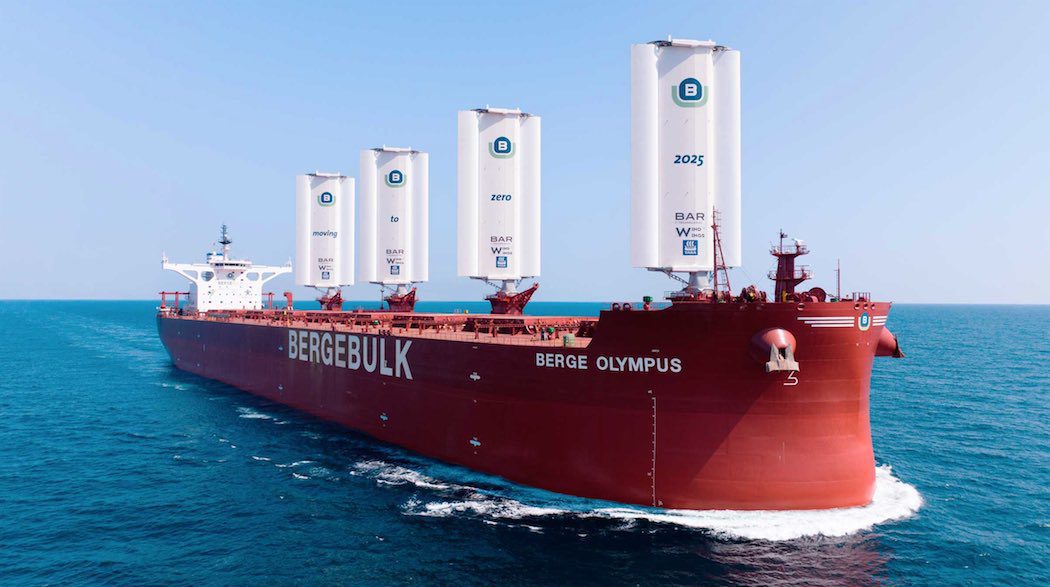
Do they work? Who knows, I get skeptical when decarbonization is a major selling point.
Wind-Assisted Propulsion Systems (WAPS): A Game Changer For Maritime Decarbonization
I am more impressed you worked on Dallas...
I was Patrick Duffy and Larry Hagman's stand in on the original and the first few episodes of the reboot. I had a line in the original and did a other stuff in both. I would work there during the day, then head to my regular job at night, running nightclubsFLBear5630 said:I was thinking more of the North Sea and remote areas along coast lines. I have heard they are having to sink the blades in the ocean. There is also other types of wind than those massive blades, which I am not a fan.Assassin said:Wind has proven to be very nasty. When we shot the pilot for "Dallas", the reboot, we went to a wind farm up near Muenster. Several dead birds around the base as the blades would suck them in and hit them if they went to close.FLBear5630 said:Switzerland has one other thing that may make it doable there, but not here or Australia. Places like Norway and Switzerland have terrain and location isolation issues. Both would make ANY solution expensive, so all things being equal this type of power may work. When you get to the scale of a US, Aussis, Russia, or Canada it becomes more cost prohibitive for the bang. There will not be one solution, this may work in some locations, but not others. Another tool in the box...Assassin said:You would think Switzerland has looked at ROI, including maintenance and replacement. It would be worth a phone call to find out more.FLBear5630 said:Problem is always the ROI. The cost of laying these for the energy it produces, the break even points become longer than the life of the hardware. It becomes a money loser. I view these activities like masturbation, feels good but really doesn't accomplish anything... Makes them feel like they are doing something, but in reality it is just making themselves feel good.Assassin said:
Switzerland is using its railway infrastructure to generate power by installing solar panels between train tracks. This clever reuse of space shows how transport and energy can work together without clearing more land
I guess it could work for rural areas to power crossings and signals. It would be more of a location issue, as the cost of the power would be very high.
Interesting article. Would take 350 return trips a day to make viable, based on Australia information. Not to mention the maintenance of the solar panels.
Photovoltaic and rail transportation: Is it the future, or a failure waiting to happen? RatedPower
Believe it or not, some places Wind will work. Geothermal. Solar, Tidal. But they will all have their niches. The Green people try to make them all things to all people...
And there is nobody to take them down when the Wind farm owners go belly up, which many have. Farmers and ranchers are stuck with them.
The material used in the blades does not break down, there are huge areas with old wind blades laying on the ground.
I do like solar and as most of us are in Texas, that's the route I would go as far as statewide electricity. Solar farms in West Texas wouldn't really affect anything around them and would really help with our grid
Do they work? Who knows, I get skeptical when decarbonization is a major selling point.
Wind-Assisted Propulsion Systems (WAPS): A Game Changer For Maritime Decarbonization
I am more impressed you worked on Dallas...
Searching for Lone Star: A Tale of Two Brothers
https://tcupress.tcu.edu/9780875659862/
https://tcupress.tcu.edu/9780875659862/
Was not aware that they sunk the blades in the ocean. The only part of the 'green scam' that I am on board with is pollution in the oceans. 400 millions tons of plastic go into the ocean each year... at what point does that affect fish and ocean creature? https://theoceancleanup.com/ocean-plastic-pollution-explained/FLBear5630 said:I was thinking more of the North Sea and remote areas along coast lines. I have heard they are having to sink the blades in the ocean. There is also other types of wind than those massive blades, which I am not a fan.Assassin said:Wind has proven to be very nasty. When we shot the pilot for "Dallas", the reboot, we went to a wind farm up near Muenster. Several dead birds around the base as the blades would suck them in and hit them if they went to close.FLBear5630 said:Switzerland has one other thing that may make it doable there, but not here or Australia. Places like Norway and Switzerland have terrain and location isolation issues. Both would make ANY solution expensive, so all things being equal this type of power may work. When you get to the scale of a US, Aussis, Russia, or Canada it becomes more cost prohibitive for the bang. There will not be one solution, this may work in some locations, but not others. Another tool in the box...Assassin said:You would think Switzerland has looked at ROI, including maintenance and replacement. It would be worth a phone call to find out more.FLBear5630 said:Problem is always the ROI. The cost of laying these for the energy it produces, the break even points become longer than the life of the hardware. It becomes a money loser. I view these activities like masturbation, feels good but really doesn't accomplish anything... Makes them feel like they are doing something, but in reality it is just making themselves feel good.Assassin said:
Switzerland is using its railway infrastructure to generate power by installing solar panels between train tracks. This clever reuse of space shows how transport and energy can work together without clearing more land
I guess it could work for rural areas to power crossings and signals. It would be more of a location issue, as the cost of the power would be very high.
Interesting article. Would take 350 return trips a day to make viable, based on Australia information. Not to mention the maintenance of the solar panels.
Photovoltaic and rail transportation: Is it the future, or a failure waiting to happen? RatedPower
Believe it or not, some places Wind will work. Geothermal. Solar, Tidal. But they will all have their niches. The Green people try to make them all things to all people...
And there is nobody to take them down when the Wind farm owners go belly up, which many have. Farmers and ranchers are stuck with them.
The material used in the blades does not break down, there are huge areas with old wind blades laying on the ground.
I do like solar and as most of us are in Texas, that's the route I would go as far as statewide electricity. Solar farms in West Texas wouldn't really affect anything around them and would really help with our grid
Searching for Lone Star: A Tale of Two Brothers
https://tcupress.tcu.edu/9780875659862/
https://tcupress.tcu.edu/9780875659862/
Assassin said:You would think Switzerland has looked at ROI, including maintenance and replacement. It would be worth a phone call to find out more.FLBear5630 said:Problem is always the ROI. The cost of laying these for the energy it produces, the break even points become longer than the life of the hardware. It becomes a money loser. I view these activities like masturbation, feels good but really doesn't accomplish anything... Makes them feel like they are doing something, but in reality it is just making themselves feel good.Assassin said:
Switzerland is using its railway infrastructure to generate power by installing solar panels between train tracks. This clever reuse of space shows how transport and energy can work together without clearing more land
I guess it could work for rural areas to power crossings and signals. It would be more of a location issue, as the cost of the power would be very high.
Interesting article. Would take 350 return trips a day to make viable, based on Australia information. Not to mention the maintenance of the solar panels.
Photovoltaic and rail transportation: Is it the future, or a failure waiting to happen? RatedPower
It appears the panels are a supplement to electricity from power plants. Heavy trains would use a LOT of power. Diesel electric train engines - the most common type here in the US - run 6-10k horsepower.
Well most trains run on electric motors now. The diesel makes the electricity. I guess this would just put it on the tracks. I am not sure how efficient it would be...EatMoreSalmon said:Assassin said:You would think Switzerland has looked at ROI, including maintenance and replacement. It would be worth a phone call to find out more.FLBear5630 said:Problem is always the ROI. The cost of laying these for the energy it produces, the break even points become longer than the life of the hardware. It becomes a money loser. I view these activities like masturbation, feels good but really doesn't accomplish anything... Makes them feel like they are doing something, but in reality it is just making themselves feel good.Assassin said:
Switzerland is using its railway infrastructure to generate power by installing solar panels between train tracks. This clever reuse of space shows how transport and energy can work together without clearing more land
I guess it could work for rural areas to power crossings and signals. It would be more of a location issue, as the cost of the power would be very high.
Interesting article. Would take 350 return trips a day to make viable, based on Australia information. Not to mention the maintenance of the solar panels.
Photovoltaic and rail transportation: Is it the future, or a failure waiting to happen? RatedPower
It appears the panels are a supplement to electricity from power plants. Heavy trains would use a LOT of power. Diesel electric train engines - the most common type here in the US - run 6-10k horsepower.
it seems to me the blades could be cut and repurposed; maybe roofing tiles.Assassin said:Was not aware that they sunk the blades in the ocean. The only part of the 'green scam' that I am on board with is pollution in the oceans. 400 millions tons of plastic go into the ocean each year... at what point does that affect fish and ocean creature? https://theoceancleanup.com/ocean-plastic-pollution-explained/FLBear5630 said:I was thinking more of the North Sea and remote areas along coast lines. I have heard they are having to sink the blades in the ocean. There is also other types of wind than those massive blades, which I am not a fan.Assassin said:Wind has proven to be very nasty. When we shot the pilot for "Dallas", the reboot, we went to a wind farm up near Muenster. Several dead birds around the base as the blades would suck them in and hit them if they went to close.FLBear5630 said:Switzerland has one other thing that may make it doable there, but not here or Australia. Places like Norway and Switzerland have terrain and location isolation issues. Both would make ANY solution expensive, so all things being equal this type of power may work. When you get to the scale of a US, Aussis, Russia, or Canada it becomes more cost prohibitive for the bang. There will not be one solution, this may work in some locations, but not others. Another tool in the box...Assassin said:You would think Switzerland has looked at ROI, including maintenance and replacement. It would be worth a phone call to find out more.FLBear5630 said:Problem is always the ROI. The cost of laying these for the energy it produces, the break even points become longer than the life of the hardware. It becomes a money loser. I view these activities like masturbation, feels good but really doesn't accomplish anything... Makes them feel like they are doing something, but in reality it is just making themselves feel good.Assassin said:
Switzerland is using its railway infrastructure to generate power by installing solar panels between train tracks. This clever reuse of space shows how transport and energy can work together without clearing more land
I guess it could work for rural areas to power crossings and signals. It would be more of a location issue, as the cost of the power would be very high.
Interesting article. Would take 350 return trips a day to make viable, based on Australia information. Not to mention the maintenance of the solar panels.
Photovoltaic and rail transportation: Is it the future, or a failure waiting to happen? RatedPower
Believe it or not, some places Wind will work. Geothermal. Solar, Tidal. But they will all have their niches. The Green people try to make them all things to all people...
And there is nobody to take them down when the Wind farm owners go belly up, which many have. Farmers and ranchers are stuck with them.
The material used in the blades does not break down, there are huge areas with old wind blades laying on the ground.
I do like solar and as most of us are in Texas, that's the route I would go as far as statewide electricity. Solar farms in West Texas wouldn't really affect anything around them and would really help with our grid
There is some kind of issue with the way they are made, I vaguely remember that it's fiberglass, plastic, epoxy and a few other toxic ingredientsLIB,MR BEARS said:it seems to me the blades could be cut and repurposed; maybe roofing tiles.Assassin said:Was not aware that they sunk the blades in the ocean. The only part of the 'green scam' that I am on board with is pollution in the oceans. 400 millions tons of plastic go into the ocean each year... at what point does that affect fish and ocean creature? https://theoceancleanup.com/ocean-plastic-pollution-explained/FLBear5630 said:I was thinking more of the North Sea and remote areas along coast lines. I have heard they are having to sink the blades in the ocean. There is also other types of wind than those massive blades, which I am not a fan.Assassin said:Wind has proven to be very nasty. When we shot the pilot for "Dallas", the reboot, we went to a wind farm up near Muenster. Several dead birds around the base as the blades would suck them in and hit them if they went to close.FLBear5630 said:Switzerland has one other thing that may make it doable there, but not here or Australia. Places like Norway and Switzerland have terrain and location isolation issues. Both would make ANY solution expensive, so all things being equal this type of power may work. When you get to the scale of a US, Aussis, Russia, or Canada it becomes more cost prohibitive for the bang. There will not be one solution, this may work in some locations, but not others. Another tool in the box...Assassin said:You would think Switzerland has looked at ROI, including maintenance and replacement. It would be worth a phone call to find out more.FLBear5630 said:Problem is always the ROI. The cost of laying these for the energy it produces, the break even points become longer than the life of the hardware. It becomes a money loser. I view these activities like masturbation, feels good but really doesn't accomplish anything... Makes them feel like they are doing something, but in reality it is just making themselves feel good.Assassin said:
Switzerland is using its railway infrastructure to generate power by installing solar panels between train tracks. This clever reuse of space shows how transport and energy can work together without clearing more land
I guess it could work for rural areas to power crossings and signals. It would be more of a location issue, as the cost of the power would be very high.
Interesting article. Would take 350 return trips a day to make viable, based on Australia information. Not to mention the maintenance of the solar panels.
Photovoltaic and rail transportation: Is it the future, or a failure waiting to happen? RatedPower
Believe it or not, some places Wind will work. Geothermal. Solar, Tidal. But they will all have their niches. The Green people try to make them all things to all people...
And there is nobody to take them down when the Wind farm owners go belly up, which many have. Farmers and ranchers are stuck with them.
The material used in the blades does not break down, there are huge areas with old wind blades laying on the ground.
I do like solar and as most of us are in Texas, that's the route I would go as far as statewide electricity. Solar farms in West Texas wouldn't really affect anything around them and would really help with our grid
Searching for Lone Star: A Tale of Two Brothers
https://tcupress.tcu.edu/9780875659862/
https://tcupress.tcu.edu/9780875659862/
Here's a good story on the blades, post-use
https://www.texasmonthly.com/news-politics/sweetwater-wind-turbine-blades-dump/
https://www.texasmonthly.com/news-politics/sweetwater-wind-turbine-blades-dump/
Searching for Lone Star: A Tale of Two Brothers
https://tcupress.tcu.edu/9780875659862/
https://tcupress.tcu.edu/9780875659862/
Train locomotives have been diesel-electrics since diesels first appeared. Electric drive motors are more suitable for them. Electric only trains pull power from rail or cantilever. It would make sense for solar panels to send power to powered rails or overheads to supplement electric supply. Obviously wouldn't help at night until power storage drastically improvesFLBear5630 said:Well most trains run on electric motors now. The diesel makes the electricity. I guess this would just put it on the tracks. I am not sure how efficient it would be...EatMoreSalmon said:Assassin said:You would think Switzerland has looked at ROI, including maintenance and replacement. It would be worth a phone call to find out more.FLBear5630 said:Problem is always the ROI. The cost of laying these for the energy it produces, the break even points become longer than the life of the hardware. It becomes a money loser. I view these activities like masturbation, feels good but really doesn't accomplish anything... Makes them feel like they are doing something, but in reality it is just making themselves feel good.Assassin said:
Switzerland is using its railway infrastructure to generate power by installing solar panels between train tracks. This clever reuse of space shows how transport and energy can work together without clearing more land
I guess it could work for rural areas to power crossings and signals. It would be more of a location issue, as the cost of the power would be very high.
Interesting article. Would take 350 return trips a day to make viable, based on Australia information. Not to mention the maintenance of the solar panels.
Photovoltaic and rail transportation: Is it the future, or a failure waiting to happen? RatedPower
It appears the panels are a supplement to electricity from power plants. Heavy trains would use a LOT of power. Diesel electric train engines - the most common type here in the US - run 6-10k horsepower.
EatMoreSalmon said:Train locomotives have been diesel-electrics since diesels first appeared. Electric drive motors are more suitable for them. Electric only trains pull power from rail or cantilever. It would make sense for solar panels to send power to powered rails or overheads to supplement electric supply. Obviously wouldn't help at night until power storage drastically improvesFLBear5630 said:Well most trains run on electric motors now. The diesel makes the electricity. I guess this would just put it on the tracks. I am not sure how efficient it would be...EatMoreSalmon said:Assassin said:You would think Switzerland has looked at ROI, including maintenance and replacement. It would be worth a phone call to find out more.FLBear5630 said:Problem is always the ROI. The cost of laying these for the energy it produces, the break even points become longer than the life of the hardware. It becomes a money loser. I view these activities like masturbation, feels good but really doesn't accomplish anything... Makes them feel like they are doing something, but in reality it is just making themselves feel good.Assassin said:
Switzerland is using its railway infrastructure to generate power by installing solar panels between train tracks. This clever reuse of space shows how transport and energy can work together without clearing more land
I guess it could work for rural areas to power crossings and signals. It would be more of a location issue, as the cost of the power would be very high.
Interesting article. Would take 350 return trips a day to make viable, based on Australia information. Not to mention the maintenance of the solar panels.
Photovoltaic and rail transportation: Is it the future, or a failure waiting to happen? RatedPower
It appears the panels are a supplement to electricity from power plants. Heavy trains would use a LOT of power. Diesel electric train engines - the most common type here in the US - run 6-10k horsepower.
We have seen in the inductive roadside for EVs that in the road does not do well and is very expensive and invasive. I would think rail similar.
Except powered rails have been around for over a century now. Metal on metal conducts pretty well.FLBear5630 said:EatMoreSalmon said:Train locomotives have been diesel-electrics since diesels first appeared. Electric drive motors are more suitable for them. Electric only trains pull power from rail or cantilever. It would make sense for solar panels to send power to powered rails or overheads to supplement electric supply. Obviously wouldn't help at night until power storage drastically improvesFLBear5630 said:Well most trains run on electric motors now. The diesel makes the electricity. I guess this would just put it on the tracks. I am not sure how efficient it would be...EatMoreSalmon said:Assassin said:You would think Switzerland has looked at ROI, including maintenance and replacement. It would be worth a phone call to find out more.FLBear5630 said:Problem is always the ROI. The cost of laying these for the energy it produces, the break even points become longer than the life of the hardware. It becomes a money loser. I view these activities like masturbation, feels good but really doesn't accomplish anything... Makes them feel like they are doing something, but in reality it is just making themselves feel good.Assassin said:
Switzerland is using its railway infrastructure to generate power by installing solar panels between train tracks. This clever reuse of space shows how transport and energy can work together without clearing more land
I guess it could work for rural areas to power crossings and signals. It would be more of a location issue, as the cost of the power would be very high.
Interesting article. Would take 350 return trips a day to make viable, based on Australia information. Not to mention the maintenance of the solar panels.
Photovoltaic and rail transportation: Is it the future, or a failure waiting to happen? RatedPower
It appears the panels are a supplement to electricity from power plants. Heavy trains would use a LOT of power. Diesel electric train engines - the most common type here in the US - run 6-10k horsepower.
We have seen in the inductive roadside for EVs that in the road does not do well and is very expensive and invasive. I would think rail similar.
EatMoreSalmon said:Except powered rails have been around for over a century now. Metal on metal conducts pretty well.FLBear5630 said:EatMoreSalmon said:Train locomotives have been diesel-electrics since diesels first appeared. Electric drive motors are more suitable for them. Electric only trains pull power from rail or cantilever. It would make sense for solar panels to send power to powered rails or overheads to supplement electric supply. Obviously wouldn't help at night until power storage drastically improvesFLBear5630 said:Well most trains run on electric motors now. The diesel makes the electricity. I guess this would just put it on the tracks. I am not sure how efficient it would be...EatMoreSalmon said:Assassin said:You would think Switzerland has looked at ROI, including maintenance and replacement. It would be worth a phone call to find out more.FLBear5630 said:Problem is always the ROI. The cost of laying these for the energy it produces, the break even points become longer than the life of the hardware. It becomes a money loser. I view these activities like masturbation, feels good but really doesn't accomplish anything... Makes them feel like they are doing something, but in reality it is just making themselves feel good.Assassin said:
Switzerland is using its railway infrastructure to generate power by installing solar panels between train tracks. This clever reuse of space shows how transport and energy can work together without clearing more land
I guess it could work for rural areas to power crossings and signals. It would be more of a location issue, as the cost of the power would be very high.
Interesting article. Would take 350 return trips a day to make viable, based on Australia information. Not to mention the maintenance of the solar panels.
Photovoltaic and rail transportation: Is it the future, or a failure waiting to happen? RatedPower
It appears the panels are a supplement to electricity from power plants. Heavy trains would use a LOT of power. Diesel electric train engines - the most common type here in the US - run 6-10k horsepower.
We have seen in the inductive roadside for EVs that in the road does not do well and is very expensive and invasive. I would think rail similar.
Yeah, but that is a direct source from the grid. Not generating it
The grid source would be supplemented by the solar panels. Same system with an addition to the grid power.FLBear5630 said:EatMoreSalmon said:Except powered rails have been around for over a century now. Metal on metal conducts pretty well.FLBear5630 said:EatMoreSalmon said:Train locomotives have been diesel-electrics since diesels first appeared. Electric drive motors are more suitable for them. Electric only trains pull power from rail or cantilever. It would make sense for solar panels to send power to powered rails or overheads to supplement electric supply. Obviously wouldn't help at night until power storage drastically improvesFLBear5630 said:Well most trains run on electric motors now. The diesel makes the electricity. I guess this would just put it on the tracks. I am not sure how efficient it would be...EatMoreSalmon said:Assassin said:You would think Switzerland has looked at ROI, including maintenance and replacement. It would be worth a phone call to find out more.FLBear5630 said:Problem is always the ROI. The cost of laying these for the energy it produces, the break even points become longer than the life of the hardware. It becomes a money loser. I view these activities like masturbation, feels good but really doesn't accomplish anything... Makes them feel like they are doing something, but in reality it is just making themselves feel good.Assassin said:
Switzerland is using its railway infrastructure to generate power by installing solar panels between train tracks. This clever reuse of space shows how transport and energy can work together without clearing more land
I guess it could work for rural areas to power crossings and signals. It would be more of a location issue, as the cost of the power would be very high.
Interesting article. Would take 350 return trips a day to make viable, based on Australia information. Not to mention the maintenance of the solar panels.
Photovoltaic and rail transportation: Is it the future, or a failure waiting to happen? RatedPower
It appears the panels are a supplement to electricity from power plants. Heavy trains would use a LOT of power. Diesel electric train engines - the most common type here in the US - run 6-10k horsepower.
We have seen in the inductive roadside for EVs that in the road does not do well and is very expensive and invasive. I would think rail similar.
Yeah, but that is a direct source from the grid. Not generating it
EatMoreSalmon said:The grid source would be supplemented by the solar panels. Same system with an addition to the grid power.FLBear5630 said:EatMoreSalmon said:Except powered rails have been around for over a century now. Metal on metal conducts pretty well.FLBear5630 said:EatMoreSalmon said:Train locomotives have been diesel-electrics since diesels first appeared. Electric drive motors are more suitable for them. Electric only trains pull power from rail or cantilever. It would make sense for solar panels to send power to powered rails or overheads to supplement electric supply. Obviously wouldn't help at night until power storage drastically improvesFLBear5630 said:Well most trains run on electric motors now. The diesel makes the electricity. I guess this would just put it on the tracks. I am not sure how efficient it would be...EatMoreSalmon said:Assassin said:You would think Switzerland has looked at ROI, including maintenance and replacement. It would be worth a phone call to find out more.FLBear5630 said:Problem is always the ROI. The cost of laying these for the energy it produces, the break even points become longer than the life of the hardware. It becomes a money loser. I view these activities like masturbation, feels good but really doesn't accomplish anything... Makes them feel like they are doing something, but in reality it is just making themselves feel good.Assassin said:
Switzerland is using its railway infrastructure to generate power by installing solar panels between train tracks. This clever reuse of space shows how transport and energy can work together without clearing more land
I guess it could work for rural areas to power crossings and signals. It would be more of a location issue, as the cost of the power would be very high.
Interesting article. Would take 350 return trips a day to make viable, based on Australia information. Not to mention the maintenance of the solar panels.
Photovoltaic and rail transportation: Is it the future, or a failure waiting to happen? RatedPower
It appears the panels are a supplement to electricity from power plants. Heavy trains would use a LOT of power. Diesel electric train engines - the most common type here in the US - run 6-10k horsepower.
We have seen in the inductive roadside for EVs that in the road does not do well and is very expensive and invasive. I would think rail similar.
Yeah, but that is a direct source from the grid. Not generating it
Be interesting to see if it actually produces. When we looked at solar for just toll and street lights we couldn't make ROI work.
This wind and solar power is an unworkable hoax. Why would taxpayers want to spend hundreds of billions in subsidies over two decades to power sources that make our Grid less stable? The intermittent nature of both is what makes them both unreliable and very expensive. When wind and solar have a capacity factor of around 25-30%, we should all understand why these will never create the power we need, and will cost us, the consumer, much more than other sources of power that are reliable in that we can control their output to a great extent.
With these unreliable sources, the providers are always contracting for more power than necessary due to their intermittent nature, and while the wind might offset the solar loss during nighttime hours to a certain extent, their are periods like the early morning hours where demand would exceed supply, requiring more reserve capacity on the Grid in the form of reliable generators like natural gas or coal which could be ramped up quickly to relieve the shortfall. This of course runs up the cost to the consumer drastically.
Texas, sitting on vast reserves of natural gas in the Permian Basin, has been pushing this wind and solar power for over two decades, and our political leaders total disregard of the free market through the use of massive subsidies has driven our electricity costs higher and higher. In fact an article with figures say that Texas wholesale energy prices were the highest in the nation last year. This all correlates with our increased percentage of unreliable wind and solar power in the makeup of our electric Grid run by ERCOT.
Therefore I believe we should cut the subsidies and return to some reliance on the free market again in energy. Otherwise we should expect our electricity bills to continue to rise and our supply to be at risk. While admittedly no expert, I have read extensively on this subject for about fifteen years. I would advise you to look up research articles at the Energy Alliance on this subject and see if they make sense to you.
With these unreliable sources, the providers are always contracting for more power than necessary due to their intermittent nature, and while the wind might offset the solar loss during nighttime hours to a certain extent, their are periods like the early morning hours where demand would exceed supply, requiring more reserve capacity on the Grid in the form of reliable generators like natural gas or coal which could be ramped up quickly to relieve the shortfall. This of course runs up the cost to the consumer drastically.
Texas, sitting on vast reserves of natural gas in the Permian Basin, has been pushing this wind and solar power for over two decades, and our political leaders total disregard of the free market through the use of massive subsidies has driven our electricity costs higher and higher. In fact an article with figures say that Texas wholesale energy prices were the highest in the nation last year. This all correlates with our increased percentage of unreliable wind and solar power in the makeup of our electric Grid run by ERCOT.
Therefore I believe we should cut the subsidies and return to some reliance on the free market again in energy. Otherwise we should expect our electricity bills to continue to rise and our supply to be at risk. While admittedly no expert, I have read extensively on this subject for about fifteen years. I would advise you to look up research articles at the Energy Alliance on this subject and see if they make sense to you.

Texas Is Preparing To Cut Off Power To Data Centers During Grid Emergencies#MacroEdge
— MacroEdge (@MacroEdgeRes) August 17, 2025