The Wackadoodle Wave
If 1994 brought the Republican Revolution and 2010 delivered the Tea Party to D.C., the 2022 election may bring something even more extreme.
By David A. Graham
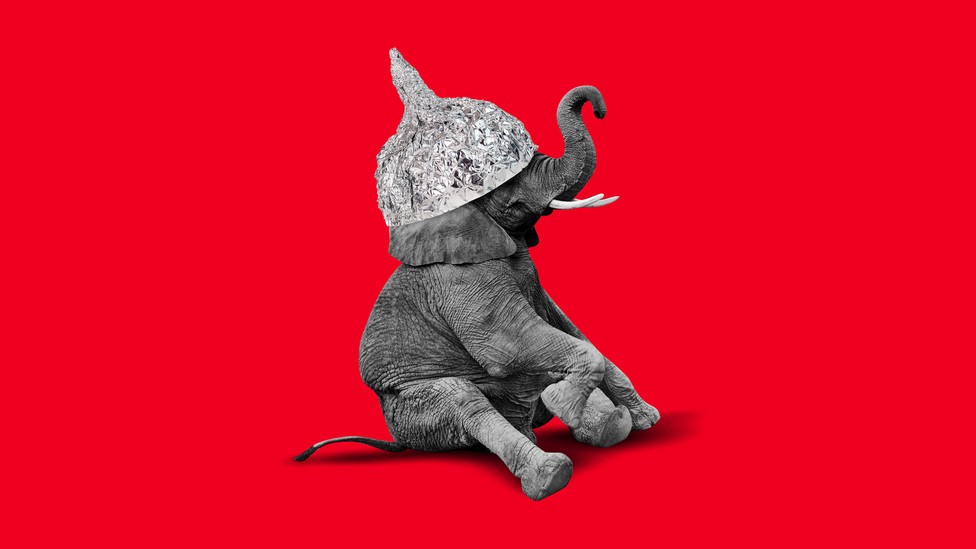
[Marjorie Taylor] Greene may have plenty of other company come January 2023. Driven by Trump and particularly by the prevalence of false claims about fraud in the 2020 election, the Republican Party is nominating more extreme candidates than ever for positions up and down the ballot. Because the electoral environment favors GOP candidates, a crop of people...is likely to be swept into office this year, with unpredictable and unsettling results. If 1994 brought the Republican Revolution and 2010 delivered the Tea Party to D.C., the 2022 election may go down as the Wackadoodle Wave.
Some of the wildest candidates...probably won't be known on the national stage until later. Most attention so far has focused on contested primary races in competitive districts, but solidly Republican constituencies may produce much more extreme candidates who never have much opposition.
When these candidates reach office, whether in Washington, state capitals, or local government, it won't necessarily represent an endorsement of their views by voters. A handful of dynamics are converging to produce results that can be out of line with the American public. The two major parties have sorted themselves into ideologically homogeneous groups, rather than the mixtures they once were. Polarization, especially negative polarization, means people are motivated as much by loathing of the other party as by any affirmative values. And the collapse of local news means candidates for lower-level offices don't receive close scrutiny.
But whether voters knew what they were getting into won't matter much by then. They'll be represented by officials who believe the Big Lie and other dubious ideas, and have the power to act on their beliefs. At the moment, Greene, Lauren Boebert, and Madison Cawthorn have the power mostly to marshal attention. With a larger group of confederates, they could exert serious sway over the House caucus. At other levels of government, some members of this wave could, for example, have responsibility for overseeing elections.
In 2016, Donald Trump won the GOP presidential primary by running against the party establishment. Now his endorsement has become the most powerful force in many races, because despite his unpopularity overall at the national level, GOP-primary voters revere him. The former president has used that influence to endorse a slew of extreme candidates who are MAGA true believers and to punish candidates who deviate from his line.
Of the extreme candidates running in 2022, some of them will surely end up defeating themselves by turning off moderate voters in general elections. But the sheer number of candidates running today who would never have made it through a primary in the past, combined with the wave of Republican victories up and down the ballot, means that a huge number of them will be elected to office.
As they do, they'll be closer to dominating the Republican Party. This year will see a host of departures by moderates as well as leaders who would have been viewed as staunch conservatives in 1994 or even 2010, but who MAGA types now regard as squishes or RINOs for their failure to offer complete fealty to Trump.
These Republicans stood for ideas such as low taxes, less regulation, and gun rights, and they often opposed even moderate reforms. Some were regarded in their day as bomb-throwers. But the GOP doesn't belong to them anymore. Come November, the wackadoodles shall inherit the Republican Party.
https://www.theatlantic.com/ideas/archive/2022/05/republican-congressional-candidates-2022-midterm-elections/629733/
If 1994 brought the Republican Revolution and 2010 delivered the Tea Party to D.C., the 2022 election may bring something even more extreme.
By David A. Graham
[Marjorie Taylor] Greene may have plenty of other company come January 2023. Driven by Trump and particularly by the prevalence of false claims about fraud in the 2020 election, the Republican Party is nominating more extreme candidates than ever for positions up and down the ballot. Because the electoral environment favors GOP candidates, a crop of people...is likely to be swept into office this year, with unpredictable and unsettling results. If 1994 brought the Republican Revolution and 2010 delivered the Tea Party to D.C., the 2022 election may go down as the Wackadoodle Wave.
Some of the wildest candidates...probably won't be known on the national stage until later. Most attention so far has focused on contested primary races in competitive districts, but solidly Republican constituencies may produce much more extreme candidates who never have much opposition.
When these candidates reach office, whether in Washington, state capitals, or local government, it won't necessarily represent an endorsement of their views by voters. A handful of dynamics are converging to produce results that can be out of line with the American public. The two major parties have sorted themselves into ideologically homogeneous groups, rather than the mixtures they once were. Polarization, especially negative polarization, means people are motivated as much by loathing of the other party as by any affirmative values. And the collapse of local news means candidates for lower-level offices don't receive close scrutiny.
But whether voters knew what they were getting into won't matter much by then. They'll be represented by officials who believe the Big Lie and other dubious ideas, and have the power to act on their beliefs. At the moment, Greene, Lauren Boebert, and Madison Cawthorn have the power mostly to marshal attention. With a larger group of confederates, they could exert serious sway over the House caucus. At other levels of government, some members of this wave could, for example, have responsibility for overseeing elections.
In 2016, Donald Trump won the GOP presidential primary by running against the party establishment. Now his endorsement has become the most powerful force in many races, because despite his unpopularity overall at the national level, GOP-primary voters revere him. The former president has used that influence to endorse a slew of extreme candidates who are MAGA true believers and to punish candidates who deviate from his line.
Of the extreme candidates running in 2022, some of them will surely end up defeating themselves by turning off moderate voters in general elections. But the sheer number of candidates running today who would never have made it through a primary in the past, combined with the wave of Republican victories up and down the ballot, means that a huge number of them will be elected to office.
As they do, they'll be closer to dominating the Republican Party. This year will see a host of departures by moderates as well as leaders who would have been viewed as staunch conservatives in 1994 or even 2010, but who MAGA types now regard as squishes or RINOs for their failure to offer complete fealty to Trump.
These Republicans stood for ideas such as low taxes, less regulation, and gun rights, and they often opposed even moderate reforms. Some were regarded in their day as bomb-throwers. But the GOP doesn't belong to them anymore. Come November, the wackadoodles shall inherit the Republican Party.
https://www.theatlantic.com/ideas/archive/2022/05/republican-congressional-candidates-2022-midterm-elections/629733/